

Trying to remember where to put the keys/mobile/wallet and already late for another appointment?
Meeting someone on the street and suddenly you have no idea what this person is called?
Struggling to remember something your child told you a while ago and it just vanished into a place in your brain forever lost?
These are just a few examples from my own life, believe me the list doesn’t end here…
A menopausal brain comes with its own challenges, and my first reaction was to blame my genetics, growing up seeing my mother and grandmother dealing with the same issues. Well turns out it is only part of the problem. As studies have shown that lifestyle and nutrition can not only help, but they do play a bigger role on our brain health as genetics alone do.
And it doesn’t have to be complicated. A few adjustments here and there can lead to improvement over time. Lets see what science has shown to help us have better brain health.

In fact there are 3 key nutrients that are essential to our brain:
Omega 3 fatty acids, Fiber and polyphenols.
Let’s break them down into small understandable bits that are easy to implement.
The key here is to make small adjustments that are easy for you, that will compound over time. And before you know it you will start to feel better.
In my experience it is a combination of two factors that contribute to this perception: One is the physical part of the process, the actual improvement of our body function through better eating habits. And the other one is the feeling you have to actually be in control of your health.
Maybe the second has given me even more benefits, because it is what at the end has the potential to keep the motivation.
1. Omega-3 fatty acids: Structural support for your brain
We hear about healthy fats all the time lately, right? But why are they so important for our brain?
The brain is about 60% fats and fatty acids are crucial for its function. But can not be synthesized by the body, that is why we rely on food sources to meet the needs.
Omega 3 fatty acids (DPA, DHA and ALA) support neuronal communication, reduce neuroinflammation helping with maintenance of memory and processing speed.
Observational studies associate higher omega 3 intake with slower cognitive decline and lower risk of Alzheimer’s disease and dementia.
Best Food Sources
Fatty fish (DPA and DHA source) – 2–3× per week:
One of the best sources of Omega 3 not only because of its high levels of fatty acids but also because they come in a form that is more easily absorbed by the body.
Salmon
Sardines
Mackerel
Herring
Plant sources (ALA, with limited conversion):
Although the omega 3 from plant based foods is not so efficiently processed by our body, it still is very important to the brain. Both sources complement each other and we definitely need both.
Ground flaxseeds
Chia seeds
Walnuts
If you find it difficult to meet the needs through food, a supplement could help.
The important point here is choosing a high quality supplement that contains both DPA and DHA acids.
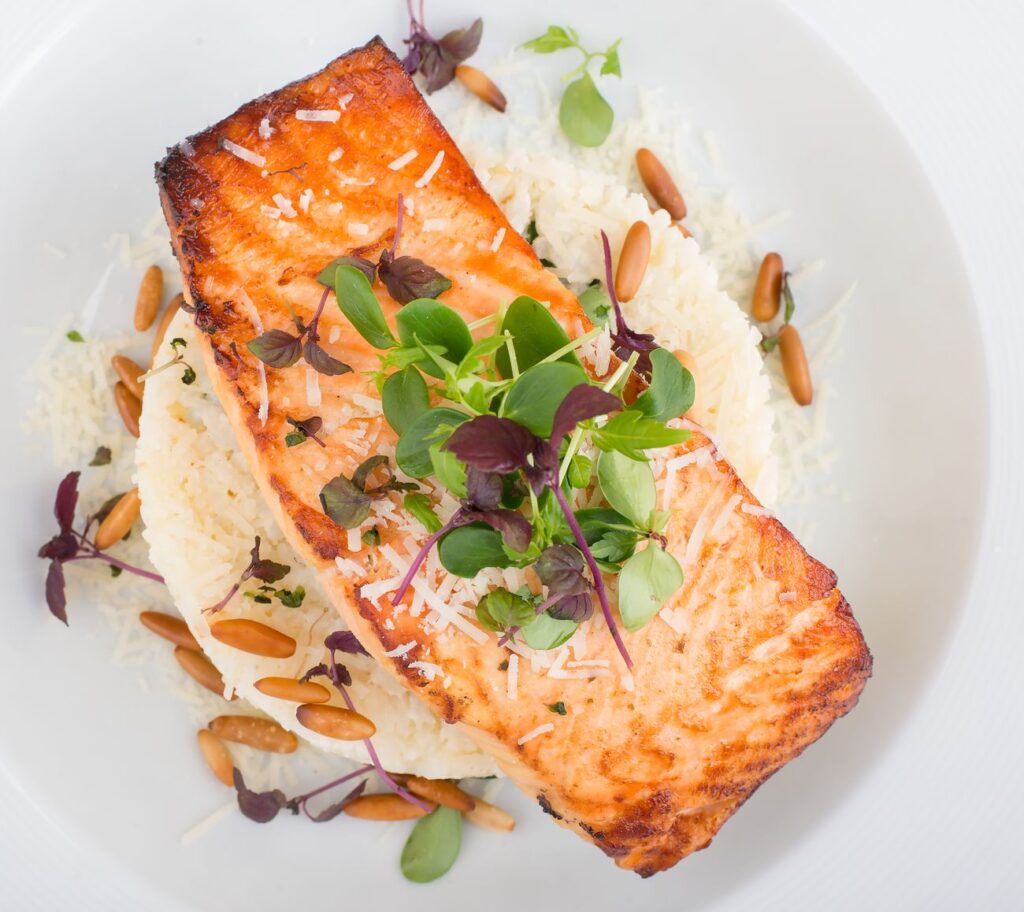
pexels.com/@shameel-mukkath-3421394/↗
2. Fiber: the gut-brain connection
Now, let’s focus on another nutrient that is overall in the media nowadays: Fiber!
Why does fiber matter for brain health?
One of the main functions fiber has in our gut is to feed beneficial gut bacteria. This gut bacteria will make short-chain fatty acids (SCFAs), through fermentation of the fiber that is not digested.
These SCFAs will reduce systemic inflammation and support the gut-brain axis. This is important because chronic low-grade inflammation accelerates brain aging and fiber helps counteract this.
And here we are, bringing the fatty acids again to the spotlight!
All of this to say a healthier gut microbiome is linked to:
Better cognitive performance.
Improved mood and stress resilience.
And reduced risk of neurodegenerative diseases.
If that is not enough, fiber also stabilizes blood sugar, preventing energy crashes that impair focus and clarity.
Best Food Sources
Vegetables:
Artichokes
Broccoli
Carrots
Leafy greens
Legumes:
Lentils
Chickpeas
Beans
Whole foods:
Oats
Berries
Apples
Ground flaxseed
Tip: aim for variety rather than a single “superfood”.
3. Polyphenols: Brain-protective plant compounds
The third important nutrient I want to talk to you about is called polyphenols. Sounds complicated and fancy, but it is really simple after we break it down.
Polyphenols are bioactive compounds found in plants with antioxidant and anti-inflammatory properties. They protect neurons from oxidative stress, a major contributor to cognitive decline.
Some polyphenols cross the blood–brain barrier and support neurogenesis, improve cerebral blood flow and enhance memory and learning.
Regular intake is associated with lower rates of cognitive impairment and dementia. They also modulate signaling pathways involved in brain aging.
Best Food Sources
Berries:
Blueberries
Blackberries
Raspberries
Beverages:
Green tea
Coffee (in moderation)
Plant foods:
Extra virgin olive oil
Dark chocolate (≥70% cacao)
Red grapes
Pomegranate
Tip: The color is a clue! Deeply pigmented foods are usually the richest in polyphenols.
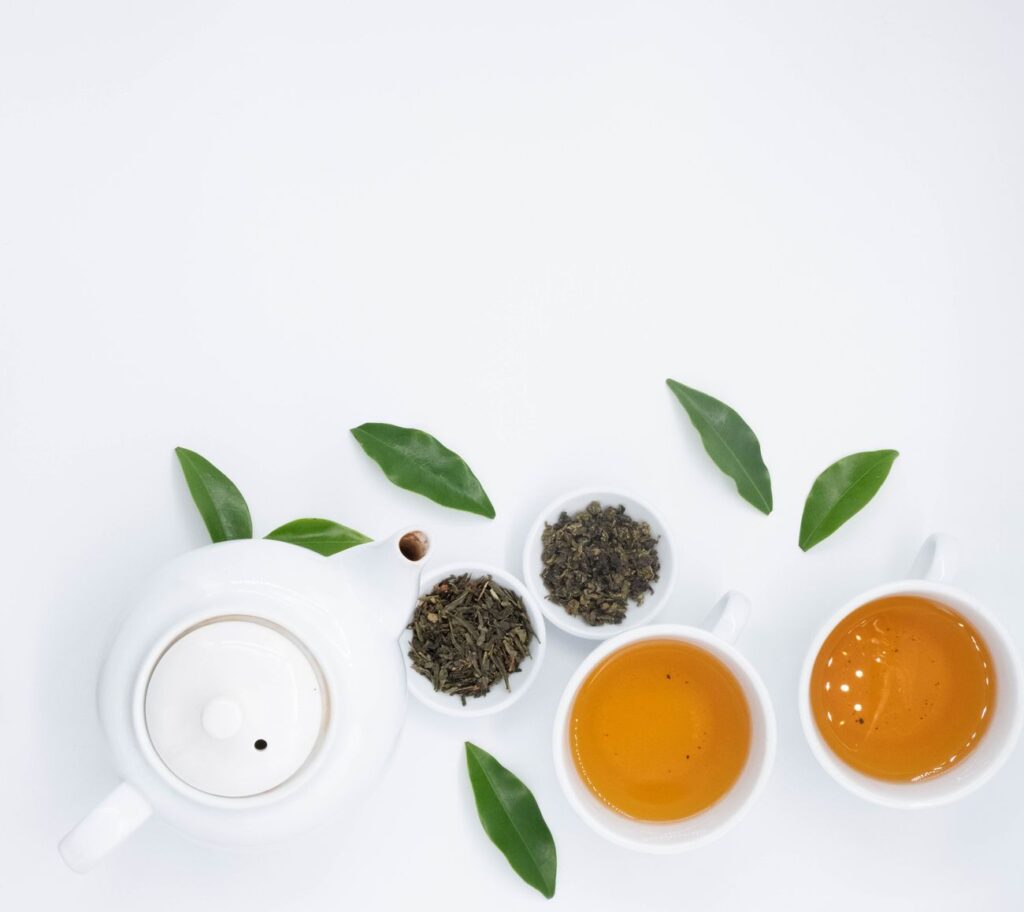
pexels.com/@ric-perin-2853557/↗
How to combine these nutrients in daily life
Now that we have the facts, lets turn it into easy and effective steps to improve our health, step by step.
To maximize the benefits it is better to mix some of the above mentioned nutrients in the same meal. For example:
Salmon + lentil salad with olive oil and herbs.
Oatmeal with berries, walnuts, and ground flaxseed.
Mediterranean-style meals often have a brain-supportive pattern.
With small nutrition choices getting long term brain benefits, sounds like a really good deal!
The good news is that it is never too late to begin to support brain health.
There are a few things that are in our power to improve our brain.
Nutrition is one very important one, along with sleep and exercise, and this works at every age. But mid age is a really good point to start improving our lives, as well as preparing for the new phase we are entering, and live it to the maximum.
Step by step into a better health, consistency is far more important than perfection. If life gets on the way here and there, don’t give it much thought, just keep moving in the right direction, that’s what will make a difference in the end.