
I’ve had many changes in my life, moving across countries, across cities, from one job to the next, you name it.
But the major change, the one I felt more deeply than any other, was when my children moved out. Maybe because it was a high emotional situation, maybe because it meant a shift in my identity.
I can’t tell, the truth is, going through changes always is mental, and many times, physically challenging.
In this post, you will find a road map to help navigate life changes after 50, whether they are by choice or not.
Because every change, no matter how difficult, brings along a certain amount of growth. So, instead of fearing change, let’s embrace it, learn to deal with it, and learn how to become the improved version of ourselves.
Why changes feels harder after 50
There is this widely spread idea in society that we have something like an “expiration date” (mainly for women). The idea that it is too late to start over, to learn something new, or to drastically change something in our lives is so deep in our minds that we often feel overwhelmed.
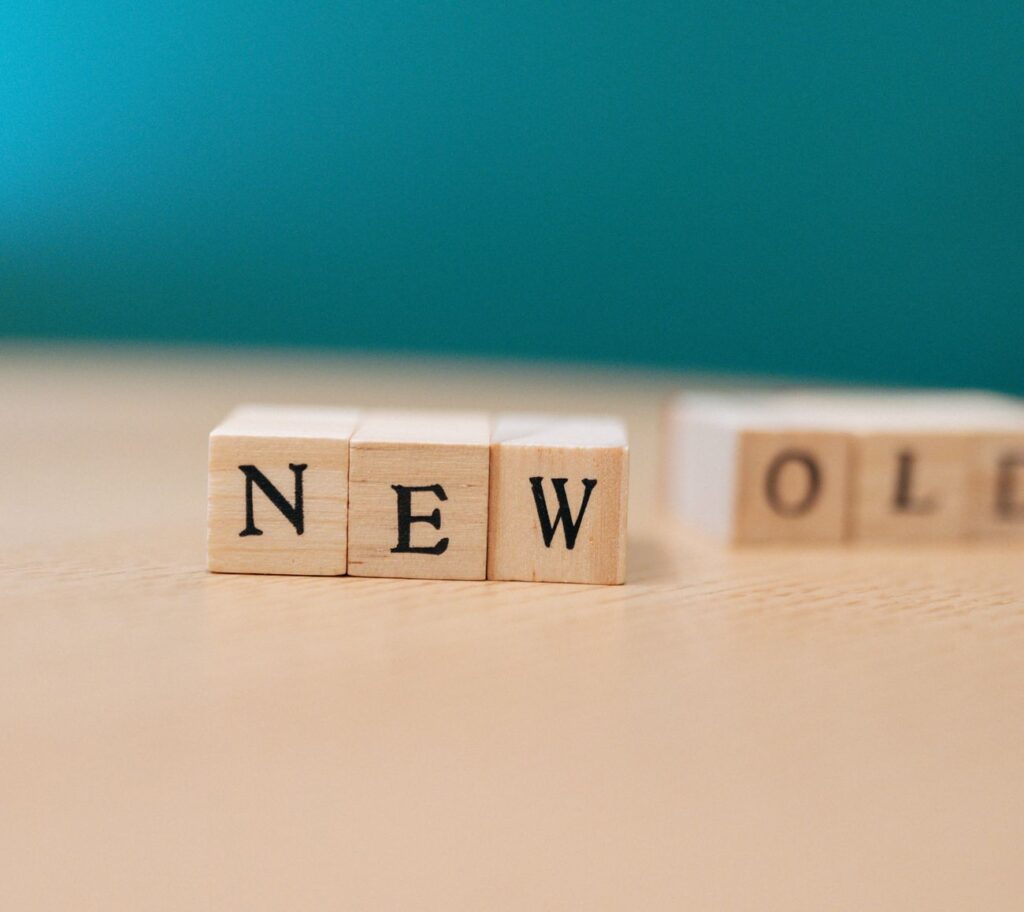
The truth is, routine brings a certain amount of comfort to our minds, even when something inside us knows that a situation doesn’t serve us anymore.
Changing from a known reality, even if it doesn’t look ideal, to an unknown reality, where we can’t know the outcome, is frightening. No doubts about that!
It takes a good amount of courage, sometimes a bit of naivety, and a lot of hope.
If you are thinking, is it even possible to have big changes in midlife, rest assured that it is not only possible, but in my opinion, it is essential.
New experiences, constant learning, and adapting to new challenges are what signal our brains and our bodies that we are alive, giving us a sense of purpose.
But how is it possible, and how does it even work?
Let’s see what takeaways science gives us.
Neuroplasticity: your brain’s superpower that will make your life better

But what is neuroplasticity?
Simply put, it is our brain’s capacity to form new neural connections, growing and reshaping with new experiences and through new learned skills.
This is proven to happen at any age – This really was mind-blowing for me!
Just like the muscles grow stronger with exercise, the brain grows stronger with new challenges.
In a study addressing aging and brain plasticity (NIH/PMC), they showed training-induced neuroplasticity, especially when practice is challenging and varied.
And I quote: “A critical requirement for neuroplasticity to emerge is to make the practice context sufficiently difficult for the learner”. (pmc.ncbi.nlm.nih.gov)
This study found that random practice (switching between tasks) led to better skill retention than blocked practice. And this effect was even more noticeable in older adults.
So, how can we apply the science of neuroplasticity to dealing with change after 50?
1 – Re-frame the mindset:
Replace: Am I too old for this? For: why is this the best moment to do this?
I give you my example: The idea of starting a blog and a social media presence has been on my mind for some time now. I was convinced that it was too late; I thought I didn’t have enough skills to make this possible.
Answering the question of why now is the best time gave me the courage to go forward:
Now I have more time to invest in this project, I have more life experience that I can share, I have more confidence in my skills, and I have more knowledge about the subjects I write about, due to years of quietly educating myself.
2- Start small:
Break big or scary projects into small, doable bits that sound logical to you.
Do you want to start traveling alone? – Start with a one-day trip or a weekend to somewhere nearby.
Want to quit your job to start something new? – Start with a side hustle. Learn the new skills step by step, and see how it feels.
Would you like to move to a new city? – Book a holiday there. This will allow you to feel the energy of the place, maybe get to know some people there, and ask some questions about what matters most to you.
This is how we choose the city we are living in – we moved in last summer, and I am loving it here!
3- Build a support system
Finding the people who can support and encourage you to dive into the new path you have chosen is really important. It can be a partner, a close friend, or an online community. Sometimes it is reassuring to have someone to ask for an opinion or to get some support when things get tough.
4- Celebrate your progress
Acknowledging small wins is not only important to keep going, but it also sends a signal to your brain that you are moving forward. Neuroplasticity is functioning at its best!
Starting point
I will give you one simple exercise to start with:
Write down something you would love to do, maybe it’s something that’s been on your mind for some time now. Something that you think you can not do for some reason. Either you think it is too late, you find it too difficult, or you think people will judge you for it.
Now, try to flip it into a positive statement.
Write down all the positive things you can find about going through with this idea.
What are the good outcomes if it goes right?
How could you overcome some of the problems that may happen?
How would you feel going through with it?
Key takeaways
Change is part of our lives; without it, we would be stuck, unable to move forward. And moving forward is a sign of growth.
So, let’s embrace the new challenges, knowing that the person at the other end will be stronger and wiser.
Now we know, our brains are this incredible organ that is capable of growing and adapting at any age. Let’s take advantage of that!
Dealing with new situations and learning new skills can be really uncomfortable and difficult, but the reward is so huge that in the end, you will be incredibly proud of yourself.
Like so many things in life, small steps are the key to success. Big transformations are so often just the end result of little changes we do everyday.
Take your plan and divide it into the smallest bits possible. Make a plan on where to begin and how to put it in place. And remember, setbacks are a part of every plan; consistency is the most important strategy here.
Take inspiration from your own life, as an example that you can make it.
Remember all the times you went through a new phase or had to face a challenge, and how you dealt with the situation.
These are valuable lessons and inspiration for your future!
Is there a dream you have waiting to come to life?
What is keeping you from going forward?
What would your first step be?
I would love to hear from you in the comments!